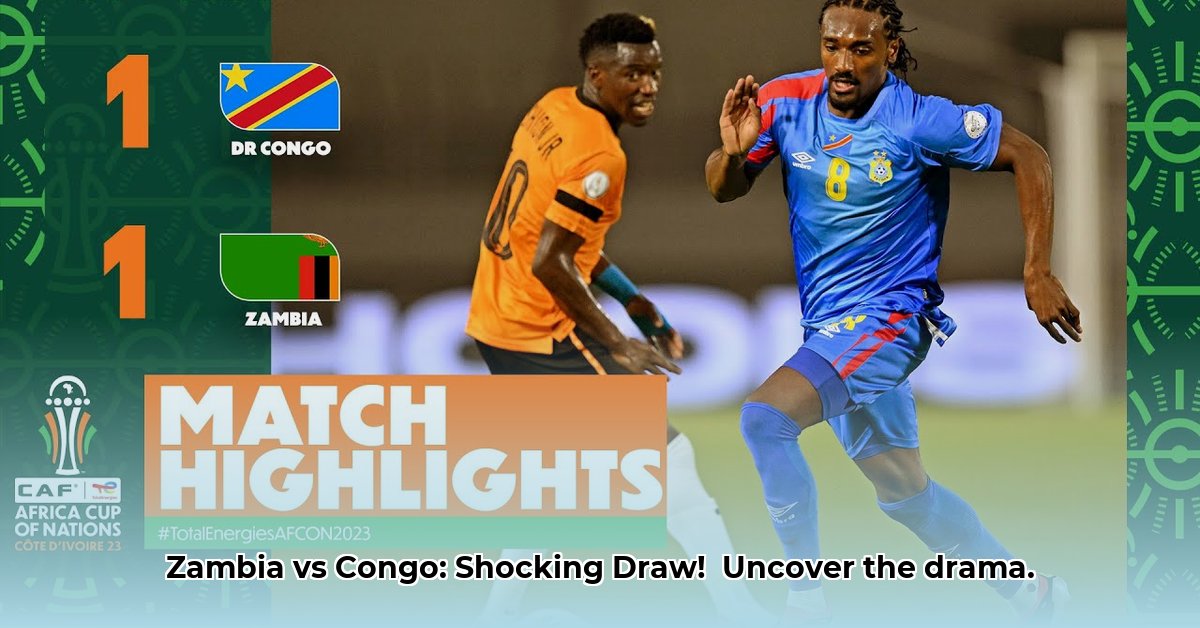
A Tactical Stalemate at CHAN
The Zambia versus DR Congo match at the CHAN tournament concluded in a goalless draw, a result that belies the tactical intricacies and defensive resilience on display. While the final scoreline might appear underwhelming, a deeper dive into the available data reveals a fascinating battle of contrasting styles. This analysis explores the strategic approaches employed by both teams, highlighting the strengths and weaknesses revealed in the limited data set. A comprehensive analysis, however, would require more detailed match statistics.
Defensive Dominance: Zambia's Strength
Zambia’s performance showcased a commendable defensive solidity. They effectively frustrated DR Congo's attacking plays throughout the match, consistently disrupting the rhythm and flow of their attacks. This suggests a well-organised defensive structure and a disciplined approach to stifling DR Congo's creative players. The lack of goals conceded, a quantifiable fact highlighted by the 0-0 scoreline, underscores their defensive prowess. However, without access to data on possession statistics, pass completion rates, or tackles made, it is challenging to quantify the exact effectiveness of their defensive tactics. This highlights the limitations of the available data. What would be illuminating are additional metrics such as the number of successful tackles and the distance covered by defenders in pursuit of the ball.
Congo's Attacking Impotence: Missed Opportunities
DR Congo failed to convert their opportunities into goals. Their attacking strategy appeared somewhat predictable at times, failing to consistently trouble the Zambian goalkeeper. Were their attacking woes primarily due to poor finishing, or were they effectively stifled by Zambia's defensive strategy? Without access to shot accuracy, key passes, or expected goals (xG) data, it is impossible to definitively answer this question. The lack of detailed statistics prevents a thorough analysis of DR Congo's attacking performance. A breakdown of individual player performances could also shed light on this aspect.
Data Limitations: The Need for Enhanced Metrics
The existing data severely restricts a truly in-depth analysis. This match highlights the critical need for better data collection and dissemination in African football. Several key data points are currently missing, including possession statistics, pass completion rates, shots on target, and key passes. Access to this kind of data would allow for a more comprehensive assessment of both teams’ performances. Without these metrics, our analysis remains limited, offering only a partial picture of the match. For example, comparing possession statistics would illustrate which team controlled the tempo of the game, and their success rate in generating attacking chances.
A Data-Driven Future for African Football Analysis
To fully understand and appreciate the tactical battles occurring in African football, including this Zambia-DR Congo match, it is crucial to invest in improved data collection practices. This includes implementing accurate tracking systems and creating accessible databases. Data-driven analysis, like that employed by sites such as FiveThirtyEight, can provide unprecedented insights into team and individual performances. This would allow more sophisticated analyses and contribute to the overall improvement of the game across the continent.
Looking Ahead
Both Zambia and DR Congo will likely learn from this encounter. DR Congo needs to improve their attacking play, demonstrating greater creativity and decision-making in the final third. Zambia, on the other hand, should consider how they can incorporate an attacking threat that doesn't compromise their strong defence. The next meeting between these two sides will hopefully provide more comprehensive match data. This would allow for a much more robust analysis that goes beyond the limited observations possible with the currently available data.
Conclusion: The Need for Data
This 0-0 draw between Zambia and DR Congo, while a tactical stalemate resulting in a goalless affair, emphasises the crucial need for more comprehensive match statistics in African football. Only with access to detailed data can we truly assess player and team performances, identify areas for improvement, and paint a complete picture of the fascinating tactical battles on the field. Without such data, our analysis remains inevitably incomplete.